Australians being subsidised to race here, annoying local trainers
Michael Guerin • February 4th, 2026 10:10 AM • 3 min read
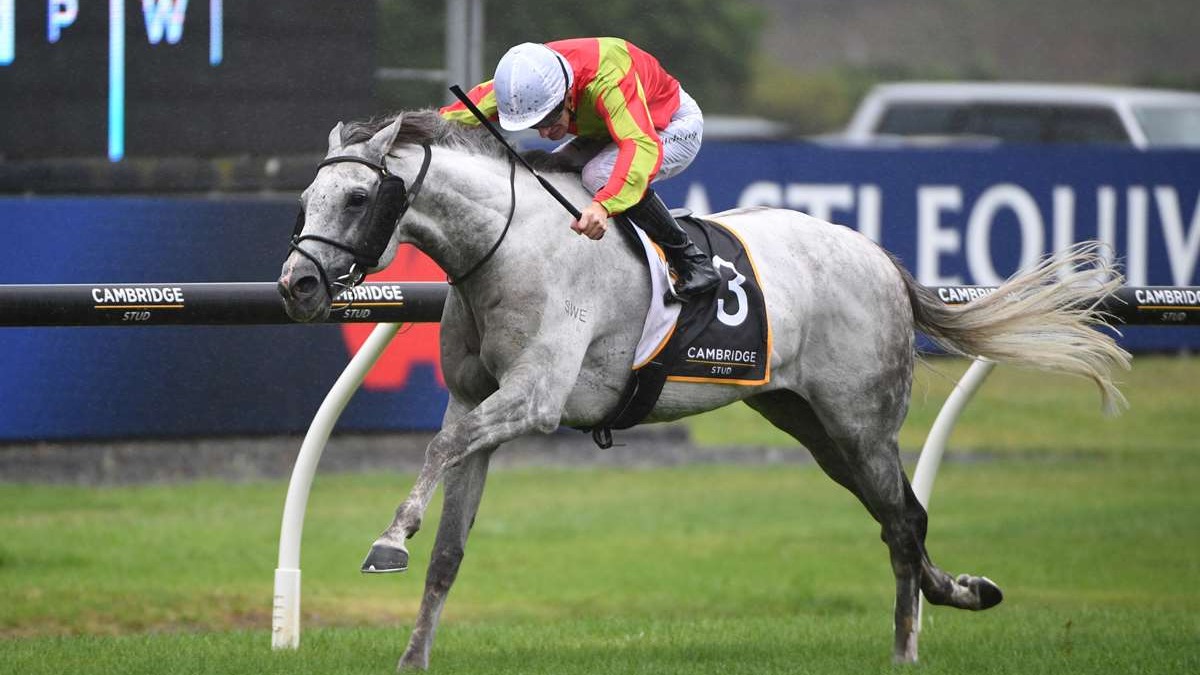
Thoroughbred racing bosses have vowed to review a policy which sees Australian horses being subsidised to race in New Zealand even after they win potentially millions of dollars.
Some local trainers are annoyed by a New Zealand Thoroughbred Racing (NZTR) travel subsidy of a flat fee of $10,000 paid to Australian-trained horses to race at our summer carnival meetings.
While the locals realise the trans-Tasman competition is good for turnover and the credibility of our best races, some question how NZTR can pay the Aussies $10,000 per horse without a clause to claim that money back if they win big races.
The best example is Victorian-trained weight-for-age galloper Kingswood, the favourite for Saturday’s $700,000 Herbie Dyke Stakes at Te Rapa.
Kingswood received the $10,000 subsidy to come to New Zealand and won the Cambridge Stud Zabeel Classic at Ellerslie on Boxing Day, with his share of the stakes being $287,500.
He now races for even more this Saturday and could then start favourite in the $1 million Bonecrusher New Zealand Stakes at Ellerslie on March 7.
If he wins all three races, he will return home with over $1m in New Zealand stake money in his bank account – but his connections will still get their $10,000 travel subsidy.
That is a change from last season, when Australian-trained horses were eligible for a $12,500 subsidy but if they won a certain amount of money, that subsidy had to be paid back – so the exercise effectively cost NZTR nothing if the horse raced well.
Travel subsidies have also been a common practice in other codes in the past, guaranteeing Australian connections the first $5000 to $10,000 to make the trip across the Tasman, but then that subsidy was reduced at a dollar-for-dollar rate on stakes won.
That helps negate the risks for horses who travel to New Zealand and either miss their target race or under-perform, making the trip easier to sell to their owners, who ultimately pay the bills.
What some local owners and trainers don’t like is Australian horses coming here and winning huge money but still getting the subsidy at a time when NZTR has plenty of other things it could be spending the money on.
NZTR general manager of racing Mitch Lamb says the subsidies will be reviewed at the end of the summer racing season and could change back to a refundable system for next season.
“We just wanted a clean, easy to explain incentive to get Australian horses here for the major meetings,” Lamb said.
“We believe having those horses here drives turnover and interest, not only locally but enormously so in Australia, and the figures we have seen so far back that up.
“We get a slice of that Australian turnover but this is part of a longer-term plan to encourage more Australian participation in the major carnivals here.”
It is hoped that will ultimately have the added benefit of helping New Zealand’s black-type races retain their status when they are reviewed at the end of each season.
The official rating for each race, and therefore its black-type worthiness, is determined by the international ratings of the first four horses home and is overseen by the Asian Pattern Committee.
In a race like the Railway at Ellerslie on Karaka Millions night, the race will undoubtedly rate higher after Jigsaw beat fellow Australian galloper Arkansaw Kid home than if the Australians had not been here – although that is a slightly moot point, as the Railway’s Group One status was not under threat.
But whether that case can be made for some of the lesser-known subsidised Australian gallopers getting a $10,000 payment is arguable.
“I take that point but using a horse like Kingswood as an example, who is to say he can’t go back to Australia and perform well in a race like the Doomben Cup, as an example, and ultimately lift the ratings of our races at season’s end,” Lamb said.
Lamb has only been in the job a few months and says he wanted to simplify the subsidies when trying to attract Australian talent but they will be reviewed before next season. “Part of that review will include looking at how much money we believe they are returning to the New Zealand industry directly and we may also put measures in place to ensure the horses receiving the subsidy have to be of a certain ratings level.”
Another reason for the disapproval of local trainers, and some of their owners, is that New Zealand-trained horses travelling to Australia get no financial assistance from NZTR or any other domestic racing organisation, even though they are flying the New Zealand racing and breeding industry flag.
Saturday’s two Group Ones at Te Rapa, the $700,000 Herbie Dyke and $500,000 BCD Sprint, are dominated by horses who have or will receive the NZTR subsidies.
Kingswood is the $2.20 favourite for the Herbie Dyke over fellow Victorian visitor Knobelas at $4, while defending champion Here To Shock is the favourite for the BCD Sprint over stablemate Arkansaw Kid.
This article also appeared on the NZ Herald. Click here to read the article